
Few Chicago neighborhoods have experienced a transformation quite like the West Loop, Fulton Market and Near West Side.
Over the past two decades, an area once defined largely by warehouses, meatpacking businesses, industrial properties and surface parking lots has become one of Chicago's premier destinations for restaurants, nightlife, corporate headquarters, hotels and luxury residences.
And the neighborhood is still evolving.
Billions of dollars of new investment are pushing development farther west toward the United Center, south toward the Eisenhower Expressway and north toward River West. At the same time, new apartment towers are adding thousands of residents while restaurants, bars, grocery stores and entertainment concepts continue opening throughout the neighborhood.
For homeowners, buyers and investors considering West Loop Chicago real estate, these changes are important. They can influence everything from walkability and rental demand to neighborhood amenities and long-term property values.
Here are five of the biggest developments and new additions reshaping Chicago's West Loop, Fulton Market and Near West Side in 2026 and beyond.
1. The 1901 Project Could Transform the Area Around the United Center
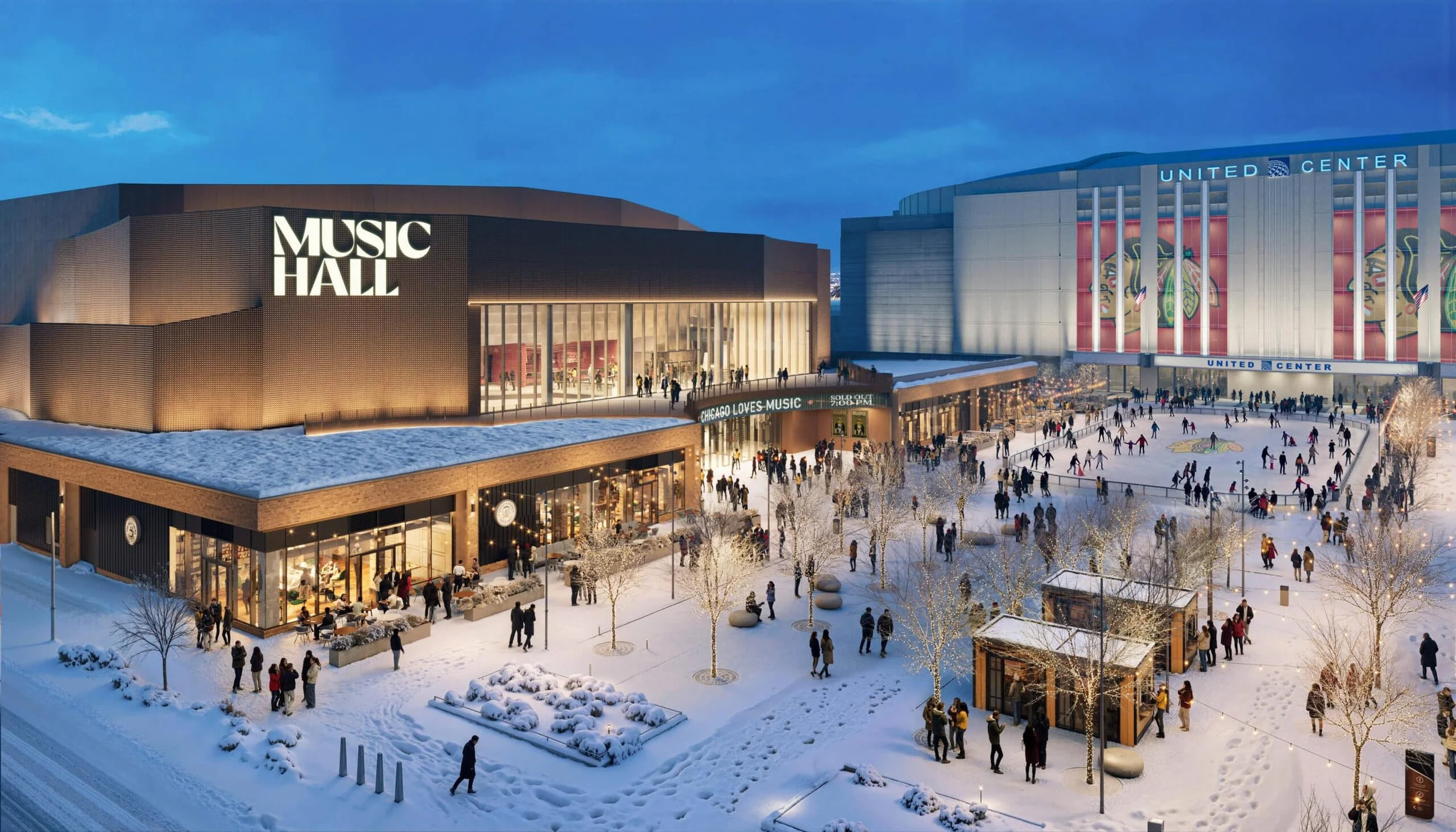
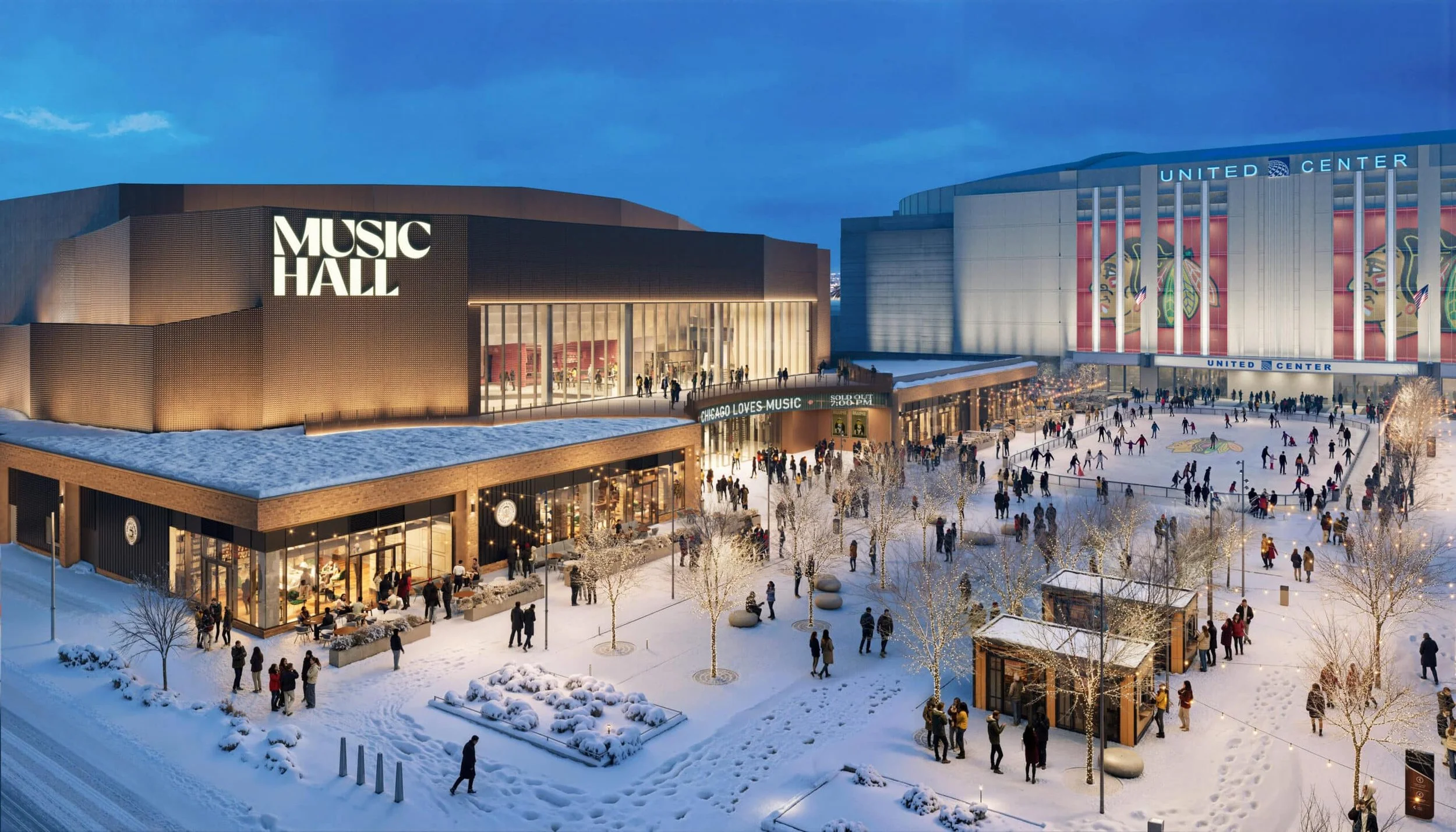
Perhaps no development has greater potential to reshape Chicago's Near West Side than The 1901 Project, the massive redevelopment planned around the United Center.
Led by the Reinsdorf and Wirtz families, the approximately $7 billion mixed-use development will transform more than 55 acres surrounding the arena.
1901 Project Near West Side
Plans envision approximately 9,500 residences, 1,300 hotel rooms, hundreds of thousands of square feet of retail and office space, entertainment venues and roughly 25 acres of public open space. Approximately 1,900 of the proposed residences are expected to be affordable housing.
Construction officially kicked off in June 2026.
The importance of The 1901 Project goes well beyond the size of the development itself.
For decades, the enormous collection of surface parking lots surrounding the United Center created a noticeable gap between the West Loop and neighborhoods farther west. Replacing those lots with residences, restaurants, hotels, entertainment and green space could eventually create a much more continuous urban environment extending west from the West Loop.
For property owners and investors on the Near West Side, The 1901 Project could be one of the most consequential neighborhood developments in decades.
2. Bally's Chicago Casino & Resort Is Creating a New Entertainment District
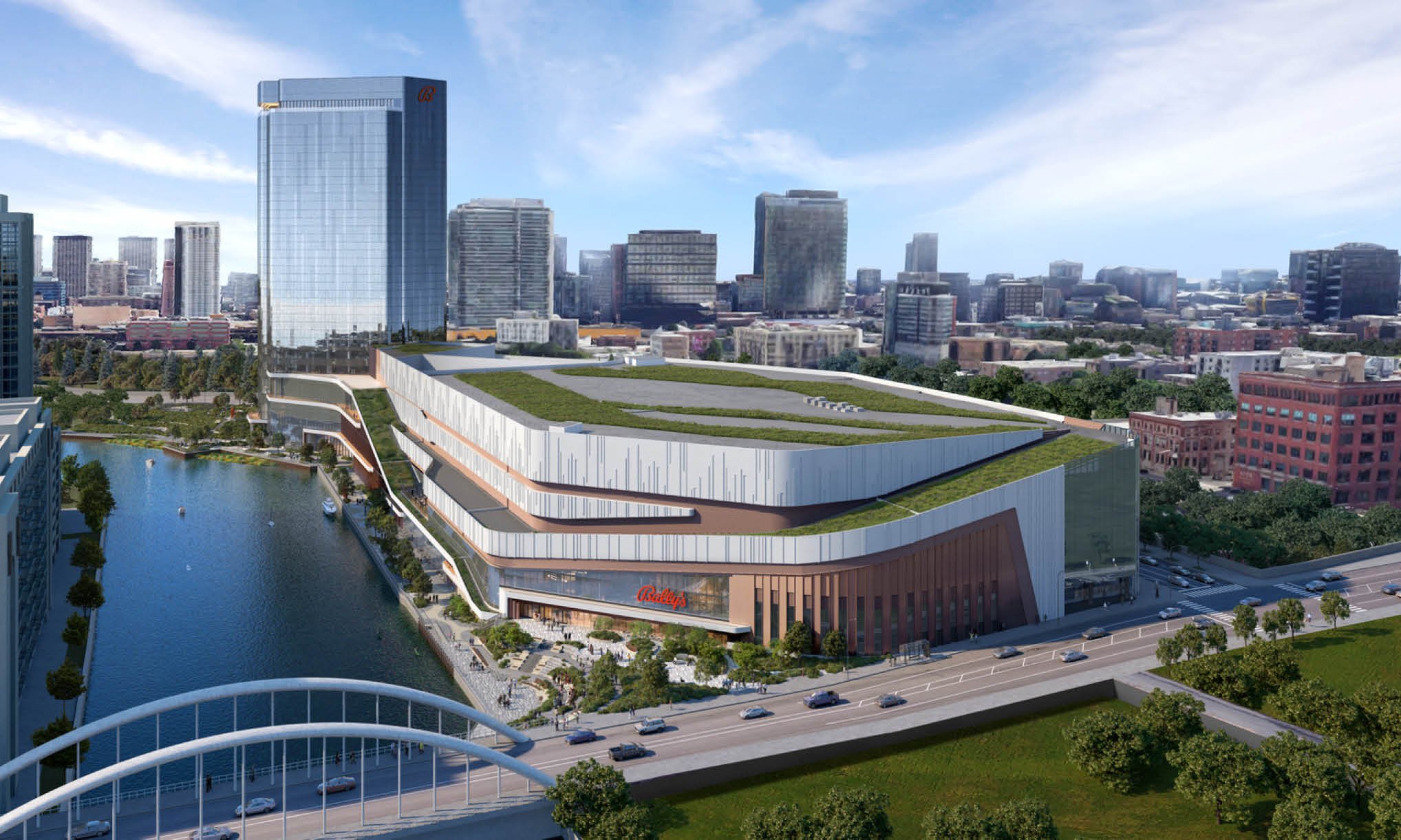
Just north of Fulton Market, another enormous development is transforming approximately 30 acres along the Chicago River.
The permanent Bally's Chicago Casino & Resort is under construction at the former Chicago Tribune Freedom Center site near Chicago Avenue and Halsted Street.
The approximately $1.7 billion project is planned as a major gaming, hotel and entertainment destination featuring a roughly 250,000-square-foot casino, approximately 500 hotel rooms, restaurants, bars, retail and a 3,000-seat entertainment venue.
Bally's Chicago Casino
Plans also call for more than 3,200 slot machines, over 175 table games, poker and sports betting.
But one of the most interesting elements for nearby residents may actually be outside the casino.
The development plan is expected to include approximately two acres of public park space and a roughly 2,000-foot extension of the Chicago Riverwalk, opening a substantial stretch of previously industrial riverfront to the public.
The casino portion of the project is currently targeted to begin operations in early 2027.
Although Bally's is technically located in River West, its proximity to Fulton Market makes it relevant to the broader West Loop real estate market. Millions of potential annual visitors could support additional restaurants, hotels, retail and entertainment while creating another major destination immediately north of Fulton Market.
3. The West Loop Residential Building Boom Continues
While mega-projects such as Bally's and The 1901 Project grab headlines, another transformation is happening block by block: thousands of new residents are moving into the West Loop and Fulton Market.
Several significant residential developments illustrate the trend.
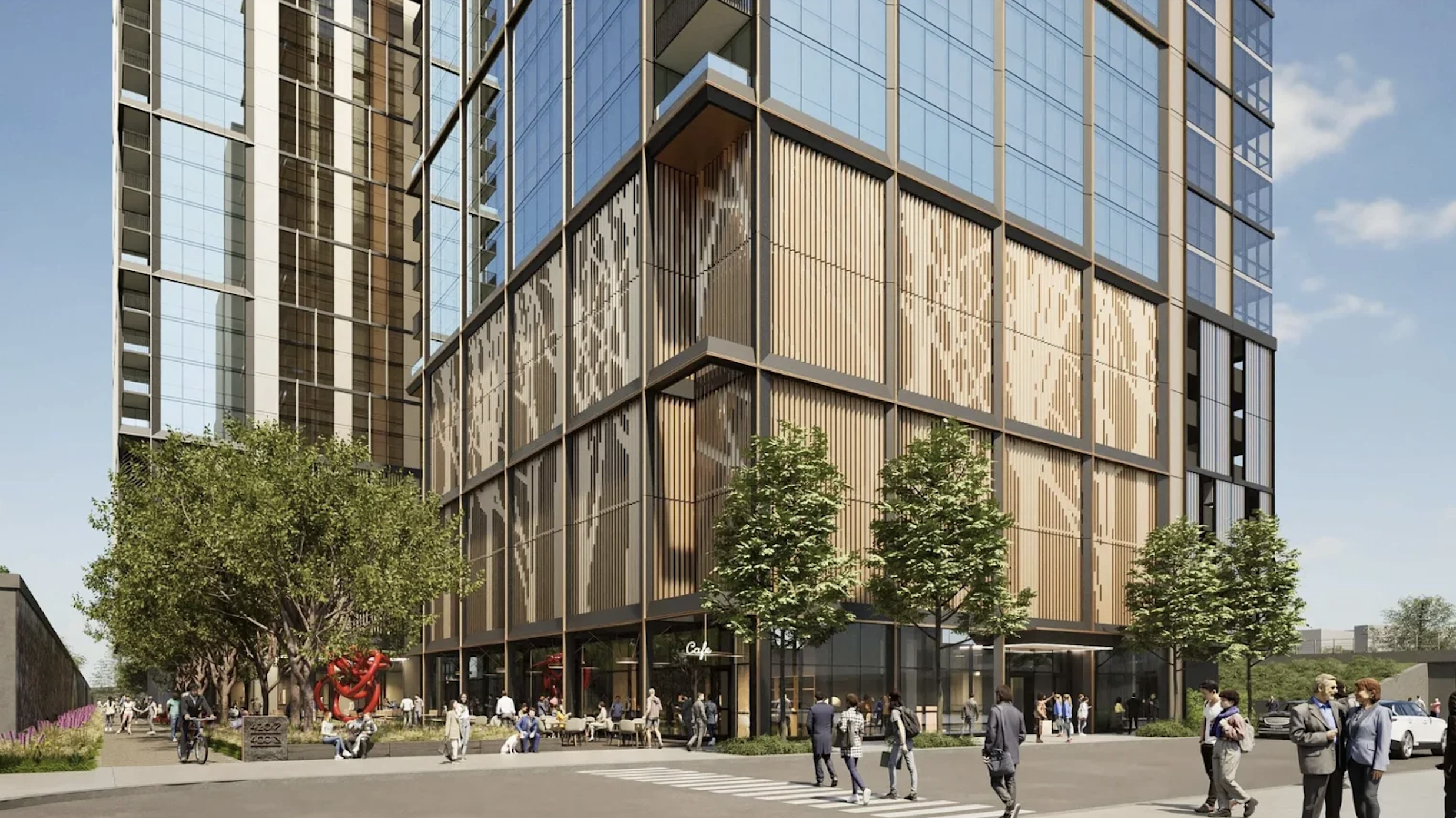
At 410 N. Elizabeth Street, construction is underway on a 33-story tower containing 383 residences. The project is particularly noteworthy because it is expected to become Chicago's first all-electric multifamily high-rise utilizing geothermal energy. A second phase could eventually bring the overall development to more than 700 residences.
410 N Elizabeth West Loop
At 370 N. Morgan Street, Pearl Fulton Market is adding approximately 494 apartments. The tower represents the first phase of a larger redevelopment that could ultimately bring roughly 1,500 residences to the property.
Meanwhile, Stead 220 at 220 N. Ada Street has added more than 300 residences along Fulton Market's western edge.
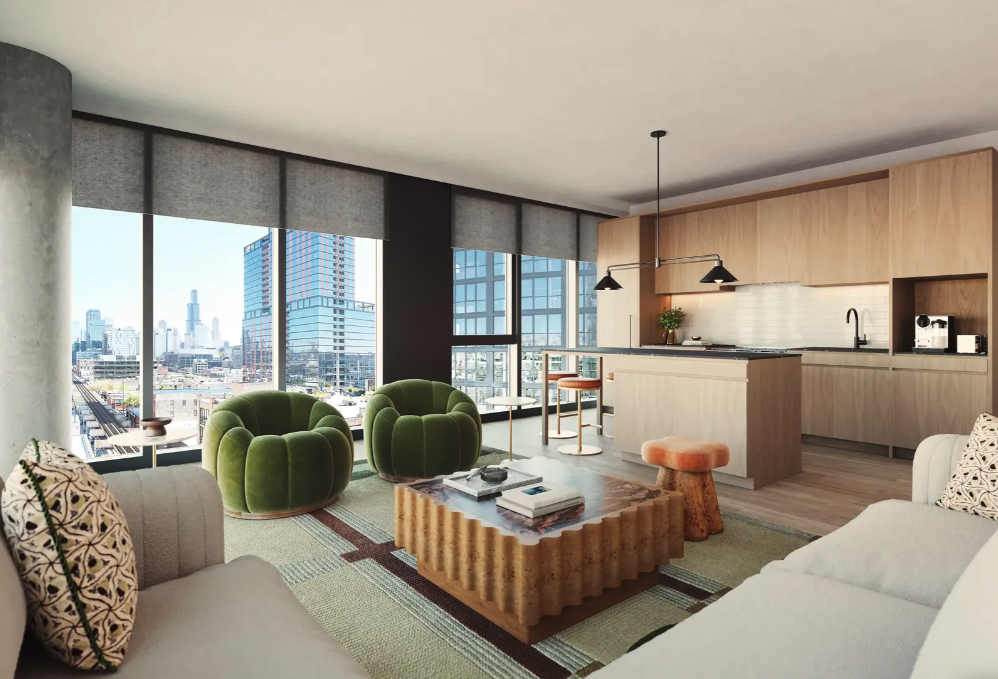
Stead Fulton Market
Development is also pushing south. Julep West Loop at 1016 W. Jackson Boulevard broke ground in September 2026. The 25-story development will contain approximately 380 apartments along with a major new neighborhood amenity: an approximately 22,000-square-foot Aldi grocery store.
Collectively, these projects illustrate an important change in the West Loop.
The neighborhood's growth is no longer concentrated exclusively around Randolph Street and the eastern portion of Fulton Market. New residential construction continues pushing west toward Ashland Avenue and south toward the Eisenhower Expressway.
That additional population also creates demand for more restaurants, grocery stores, fitness studios, bars, coffee shops and neighborhood services.
4. Fulton Market's Restaurant Scene Is Getting Another Wave of Newcomers
The West Loop is already one of Chicago's best-known dining destinations, but the restaurant lineup continues to evolve in 2026.
Chef Bill Kim has also brought Urbanbelly back to Fulton Market. Its new location at 954 W. Fulton Market focuses on the globally inspired noodles, dumplings and Korean-influenced dishes that helped establish the original restaurant.
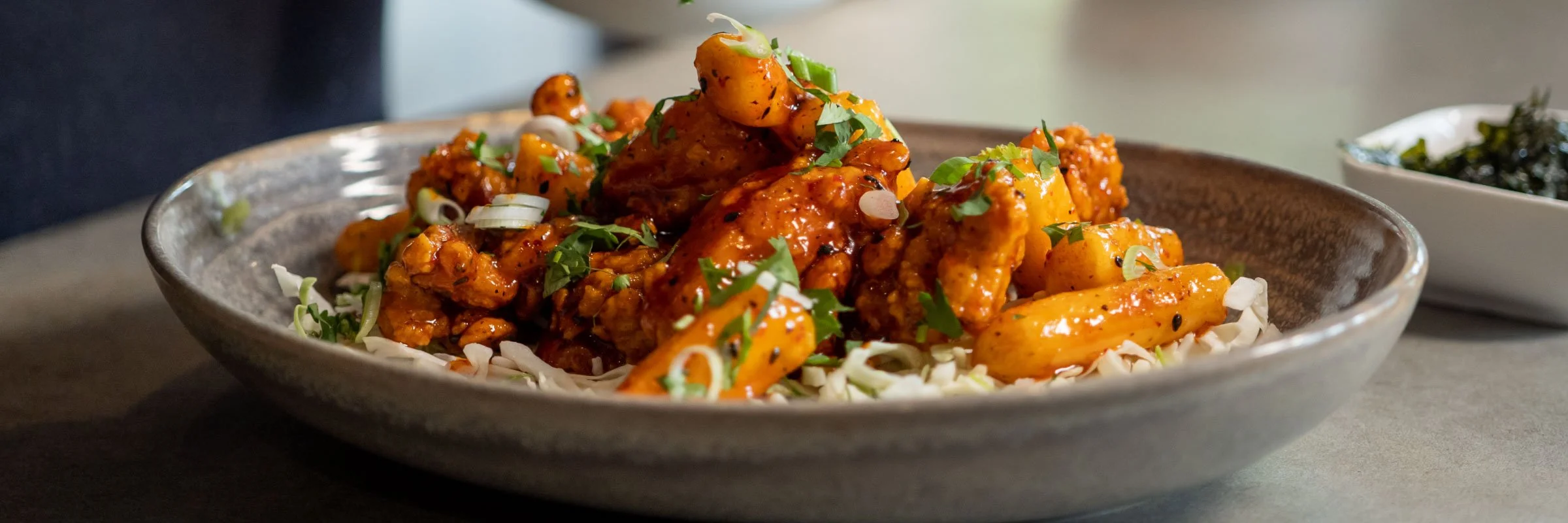
Urban Belly Fulton Market
Pizza Lobo opened at 165 N. Morgan Street, bringing its popular pizza-and-bar concept to the West Loop. The converted warehouse features a large outdoor patio, giving the neighborhood another casual option alongside its collection of upscale restaurants.
London-based Berenjak is also bringing its acclaimed Persian restaurant to Soho House Chicago. The restaurant focuses on Tehran-inspired kebabs, mezze, stews and charcoal-grilled dishes and is expected to be open to non-Soho House members.
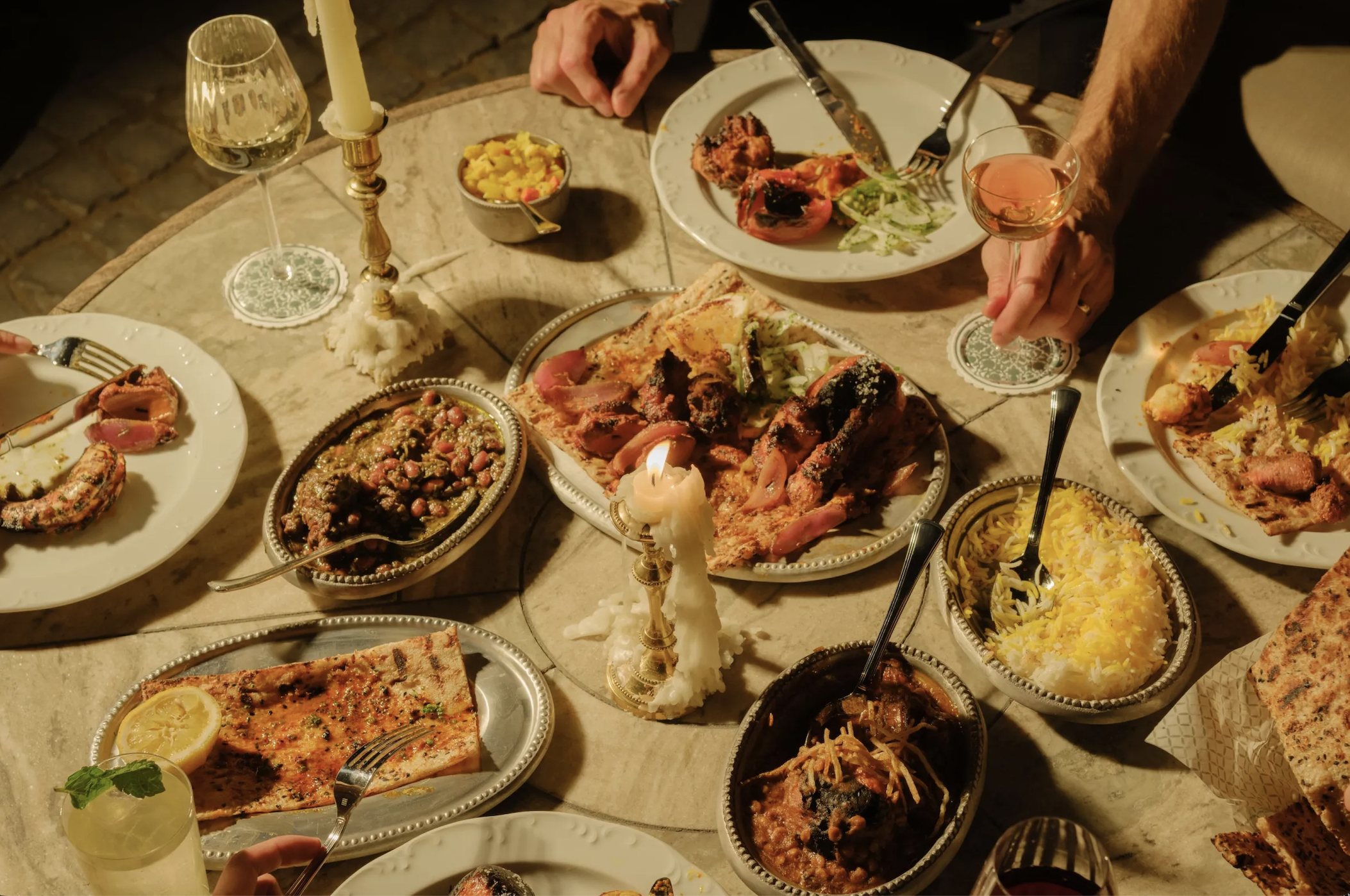
Berenjak Soho House Chicago
Nearby, Labriola Italian Specialties opened at 852 W. Fulton Market. The all-day Italian concept offers pizza, house-made pasta and Italian-American dishes, along with a walk-up window for slices, cannoli and other quick bites.
Another notable addition is Black Briar at 201 N. Morgan Street. The new American restaurant from chef Jimmy Papadopoulos and Tim Anderson is centered around a modern tavern concept with coal-roasted cooking and a strong cocktail program.
The continued arrival of both Chicago-based and internationally recognized restaurant groups reinforces Fulton Market's position as one of the city's premier dining districts.
5. New Bars, Restaurants and Social Concepts Are Expanding the West Loop's Nightlife
Beyond traditional restaurants, the West Loop and Fulton Market are also gaining a new generation of bars, taverns and social concepts that could broaden the neighborhood's nightlife.
One of the most notable upcoming additions is Gibsons Tavern, planned for 925 W. Fulton Market.
Gibsons Restaurant Group — the company behind Gibsons Bar & Steakhouse, Gibsons Italia, Hugo's Frog Bar and Luxbar — is developing a roughly 14,000-square-foot restaurant inspired by classic American taverns. The restaurant is expected to open in late 2026 and will add another major Chicago hospitality name to Fulton Market.
Gibsons Tavern Fulton Market
Also coming to the neighborhood is Pizzeria Gabbo, a new concept from Lettuce Entertain You at 834 W. Fulton Market. The restaurant is expected to combine tavern-style and New York-inspired pizza with Italian dishes, wine and cocktails.
The neighborhood's bar scene is evolving as well.
Victory & Vice at 318 N. Carpenter Street offers a new interpretation of the traditional Chicago sports bar, combining sports viewing with a more design-driven restaurant and cocktail experience.
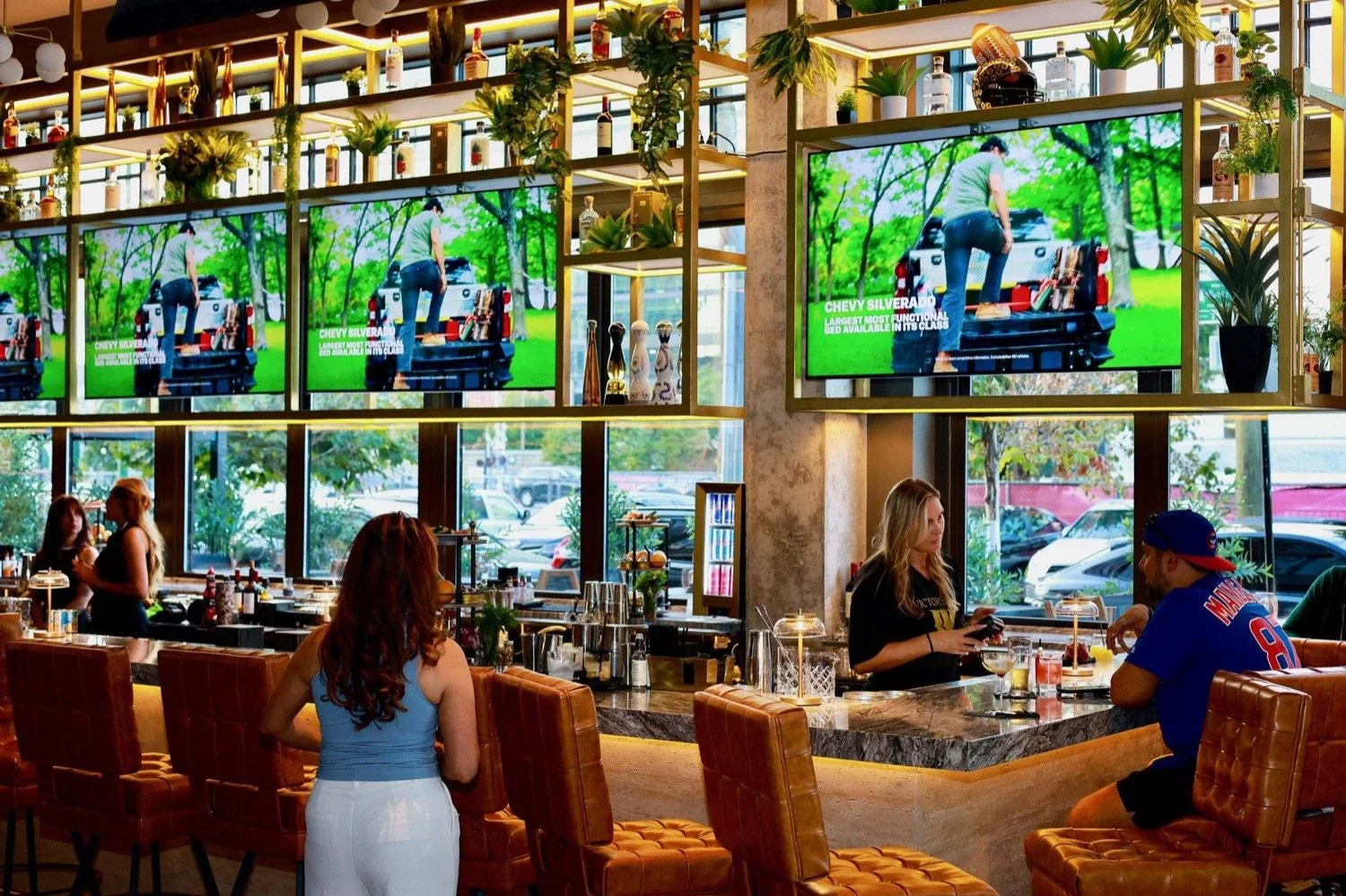
Victory & Vice Chicago
Farther west, Home Bar at 2024 W. Fulton Street brings a more intimate concept centered around martinis. Its membership program even allows regular customers to create and save personalized martini recipes.
These concepts show how Fulton Market's nightlife is expanding beyond the upscale restaurants and cocktail lounges that helped establish the neighborhood's reputation.
More importantly, these businesses reflect a larger change happening throughout the West Loop.
As thousands of new residents move into the neighborhood, Fulton Market is becoming less dependent on office workers and destination diners. Grocery stores, casual restaurants, neighborhood bars, fitness studios and other everyday businesses are increasingly serving a permanent residential population.
That evolution is helping the West Loop become an increasingly complete live-work-play neighborhood.
What All of This Means for West Loop Real Estate
MICHAEL SAMM
West Loop Chicago Realtor
312-767-7504 | mike.samm@kw.com
For anyone evaluating West Loop, Fulton Market or Near West Side real estate, the sheer volume of development is worth paying attention to.
New residential buildings create additional competition for landlords, particularly owners of older rental properties competing with luxury buildings offering pools, fitness centers, coworking areas and rooftop decks.
At the same time, additional population can support more grocery stores, restaurants, coffee shops, fitness facilities, entertainment and neighborhood retail — amenities that can make the surrounding area more desirable to residents.
Perhaps even more importantly, the geographic boundaries of the development boom continue expanding.
Fulton Market is pushing west toward Ashland Avenue. Residential development is moving south toward Jackson Boulevard. The 1901 Project could eventually create a much stronger connection between the West Loop and United Center, while Bally's is creating an enormous new entertainment destination to the north along the Chicago River.
In other words, the West Loop's transformation is no longer confined to a handful of blocks around Randolph Street.
The West Loop has already experienced one of the most dramatic neighborhood transformations in Chicago.
The next phase could be just as significant.
For homeowners, buyers and real estate investors, keeping track of these changes provides valuable context when evaluating property in the West Loop and Near West Side.
After all, in a neighborhood changing this quickly, understanding what is coming next can be nearly as important as understanding what is there today.